Why Are Steam Traps Transforming Industrial Efficiency Today?
Steam traps play a decisive role in modern steam-based systems, functioning as automatic valves that discharge condensate while preventing steam loss. Their performance directly shapes energy efficiency, equipment protection, and operating stability across industries such as power generation, petrochemicals, food processing, pharmaceuticals, textiles, and HVAC.
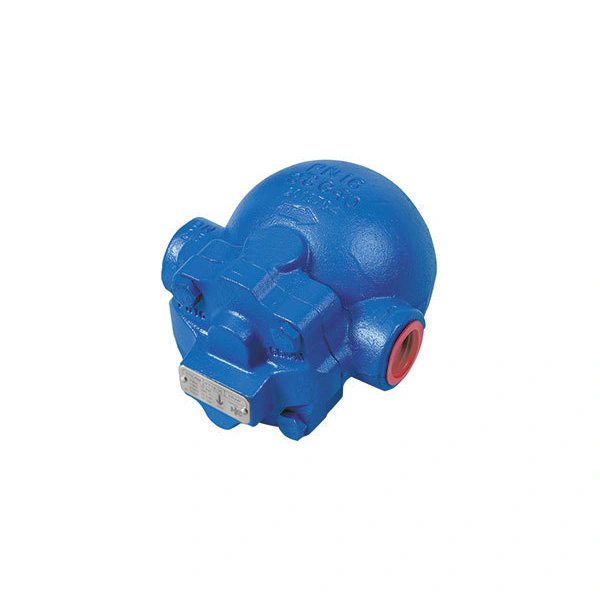
How Do Steam Traps Work and How Do They Optimize Steam System Performance?
Steam traps are designed to differentiate between steam and condensate, automatically removing the latter from the system. Effective removal ensures consistent heat transfer, prevents water hammer, and safeguards steam equipment from corrosion. Understanding how they operate begins with the three main categories—mechanical, thermostatic, and thermodynamic—each addressing different industrial demands.
How Steam Traps Operate in Different Conditions
-
Mechanical traps rely on the density difference between steam and condensate, using floats or inverted buckets to release condensate precisely when needed.
-
Thermostatic traps respond to temperature changes, releasing condensate once it cools below steam temperature.
-
Thermodynamic traps use the velocity and dynamic behavior of steam and condensate, making them ideal for high-pressure applications.
These mechanisms ensure stable discharge cycles and low steam waste, which directly improves heat exchange efficiency and equipment lifespan.
Core Functional Benefits
-
Maintains optimal heat transfer by preventing condensate accumulation
-
Reduces steam loss to near-zero levels
-
Prevents water hammer and protects pipelines
-
Enhances equipment durability
-
Lowers fuel consumption and operational costs
How Do Product Features and Specifications Define Steam Trap Performance?
High-quality steam traps are distinguished by precision engineering, durable materials, and compatibility with varied pressure and temperature environments. The following specification table provides clarity on key performance parameters commonly used in industrial trap selection.
Product Specifications Table
| Parameter | Description |
|---|---|
| Operating Pressure Range | 0.1–4.0 MPa depending on model type |
| Operating Temperature | Up to 425°C for high-pressure thermodynamic traps |
| Material Options | Stainless steel 304/316, cast iron, carbon steel |
| Discharge Capacity | 50–15,000 kg/hr depending on trap size and port design |
| Connection Type | Threaded, flanged, welded |
| Seal Type | Metal-to-metal or high-temperature gasket |
| Internal Mechanism | Float, disc, bimetallic, thermostatic element |
| Maintenance Requirement | Low; many models support inline inspection |
| Application Fields | Boilers, heat exchangers, process lines, tracing lines |
Each specification contributes to steam trap longevity, precision discharge, and reliability in demanding industrial environments.
How Do Steam Traps Provide Advantages in Industrial Operations?
Cost and Energy Efficiency
Steam traps enhance system efficiency by removing condensate promptly, preventing steam from escaping, and reducing energy waste. Well-functioning traps can cut steam loss by up to 20%, significantly lowering fuel consumption for boilers.
Operational Stability
Condensate buildup leads to inconsistent heat transfer, equipment vibration, and system malfunctions. Steam traps promote continuous and stable steam flow, reducing downtime and maintenance costs.
Safety and Equipment Protection
By preventing water hammer and corrosion, they extend the life of pipelines, valves, and heat-exchange equipment and contribute to safer plant operations.
Scalability Across Systems
Steam traps support diverse applications—from small tracing lines to large-scale manufacturing systems—ensuring consistent performance regardless of system size.
How Will Steam Trap Technology Evolve in the Future?
With global industries prioritizing energy efficiency and sustainability, steam trap technology continues to progress in several areas:
Smart Monitoring
Advanced sensors and digital diagnostics are enabling real-time monitoring of trap status, optimizing predictive maintenance strategies.
Higher Material Standards
Emerging alloys and surface treatments offer improved corrosion resistance, thermal stability, and mechanical strength.
Automation Integration
Steam traps are becoming increasingly compatible with automated industrial control systems, improving responsiveness and enabling more precise system management.
Sustainability-Driven Design
Manufacturers continue to emphasize energy savings, lower emissions, and reduced resource consumption through optimized trap geometry and smarter discharge mechanisms.
Steam Trap FAQs
Q1: How can system operators identify a malfunctioning steam trap?
A malfunctioning trap often reveals signs such as continuous steam leakage, condensate backup, vibration, or unusual noise. Regular thermal imaging, ultrasonic testing, or inline sensors help detect abnormalities early. Failure to address trap issues can lead to reduced heat efficiency, increased energy consumption, and potential mechanical damage to downstream equipment.
Q2: How often should steam traps be inspected?
Inspection frequency depends on operational load, pressure, and environmental factors. For most industrial systems, quarterly inspections are recommended, while high-pressure facilities may require monthly assessments. Regular evaluation ensures stable condensate removal, prevents steam loss, extends equipment lifespan, and minimizes unexpected shutdowns.
How Does the Right Steam Trap Strengthen Industrial Competitiveness?
Steam traps serve as essential components that stabilize steam networks, reduce operational costs, and improve system longevity. High-quality traps with precise discharge control support industries in achieving greater reliability, energy efficiency, and sustainability. As industries move toward automation and advanced monitoring technologies, the importance of durable, efficient steam traps will continue to rise.
Taian provides engineered steam trap solutions designed for long-term stability and performance across various industrial environments. For professional consultation, customized specifications, or system optimization support, contact us to discuss integrated solutions tailored to your operational needs.
Related News
- Can standard factory acceptance‑test protocols fully expose long‑term field hazards for trunnion ball‑valve projects?
- What Standardized API Cast Steel Y Strainer Configurations Reduce Plant Pipeline Downtime Losses?
- Why Is the 3 Way Flanged Ball Valve Essential for Modern Industrial Flow Control?
- Why Do Pipe Strainers Matter in Industrial Pipeline Systems?
- Hadian Valve's Ultra-Supercritical Bypass Valves Successfully Pass Assessment
- Huashijie Suzhou Smart Manufacturing Base Launches
Leave me a message