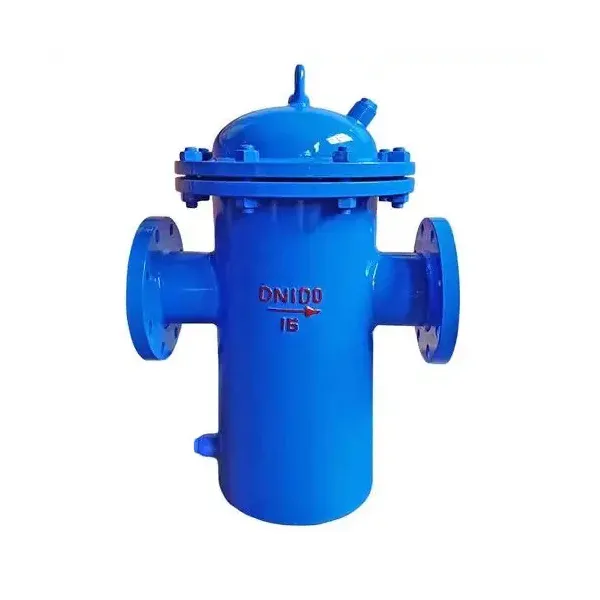
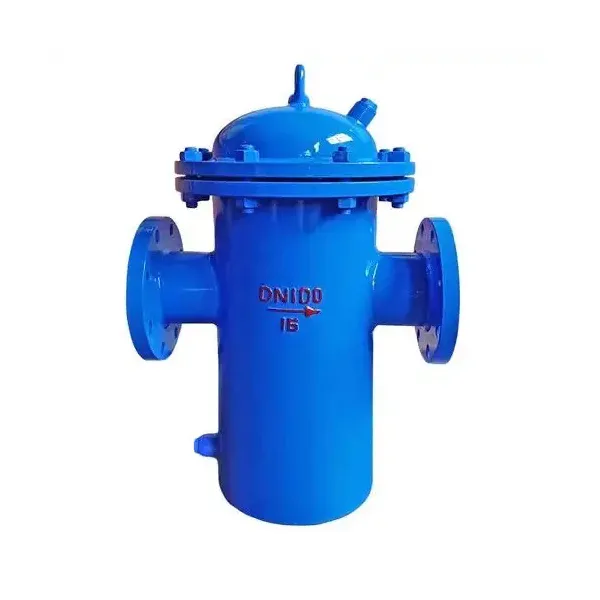
What Standardized API Cast Steel Y Strainer Configurations Reduce Plant Pipeline Downtime Losses?
Chemical plants, thermal power stations and oil & gas pipeline contractors frequently encounter hidden operational risks from non-standard Y strainers. Uncertified cast bodies leak under high pressure, single mesh specifications cannot adapt mixed impurity media, inconsistent flange dimensions delay on-site assembly, and hard-to-disassemble baskets extend system shutdown time during cleaning. Taian Valve’s full API compliant cast steel Y strainer unifies ASME design standards, multi-alloy material matching and quick-maintenance Y-shaped layout, forming standardized filtration solutions for high-temperature, high-pressure fluid pipelines and cutting unplanned downtime losses for global process manufacturers.
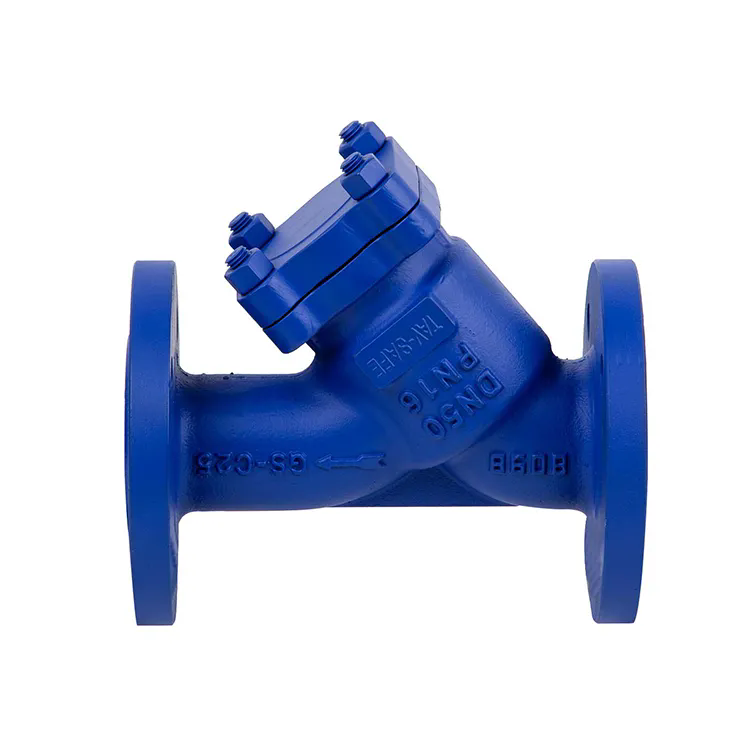
1. Full ASME & API standardized construction eliminates cross-project assembly mismatch delays
Many small foundry strainers adopt self-modified non-standard dimensions, leading to flange hole offset, face-to-face length deviation during site installation, forcing construction teams to rework gaskets and cutting plates and prolong project delivery cycles. This cast steel Y strainer strictly follows ASME B16.34 design specifications, unified flange, butt-weld and overall length dimensions matching ASME B16.5 / B16.10 standards, covering ANSI 150LB~2500LB full pressure classes and NPS 1/2"~48" complete size range. EPC contractors can directly match standard pipeline valves without customized transition fittings, speeding up piping prefabrication progress and lowering on-site machining labor costs for large engineering projects.
2. Multi-grade alloy material matrix adapts corrosive & high-temperature diverse medium environments
Single WCB carbon steel strainers fail to resist acid, chloride or high-temperature steam media, causing body pitting corrosion and short service life; while full stainless steel models bring excessive procurement cost for ordinary water/oil pipelines. Taian Valve builds a complete material matching matrix: A216 WCB for conventional steam/water lines, CF8/CF8M stainless cast for weak acid fluid, duplex alloy and bronze alloys for marine saltwater and corrosive chemical media. Corresponding A193 high-strength bolt sets and graphite composite gaskets are matched per body material, avoiding galvanic corrosion between different metal components and extending the whole strainer service cycle under harsh working conditions.
3. 2~500 mesh interchangeable baskets solve variable impurity filtration demands
Fixed single mesh strainers face two operational defects: coarse mesh lets fine particulate pass through and damage downstream pumps and meters, while ultra-fine mesh clogs rapidly in high-slag pipelines requiring frequent shutdown cleaning. The detachable stainless steel basket supports arbitrary mesh replacement from 2 mesh coarse filtration to 500 mesh precision filtration. Process factories can swap baskets according to medium impurity content—large mesh for pipeline startup weld slag capture, fine mesh for finished fluid precision purification. One strainer body adapts multiple production phases without replacing the whole unit, reducing spare parts inventory pressure for plant maintenance departments.
4. Optimized Y-shaped layout realizes horizontal & vertical dual installation with easy cleaning access
Straight-through pipeline filters require full pipeline isolation and disassembly to take out filter elements, consuming hours of downtime for cleaning. The inherent Y geometric structure of this strainer positions the basket downward during installation, supporting both horizontal and vertical pipeline layout without affecting filtration efficiency. Operators only need to remove the top cover to lift out the entire basket for air blowing, water flushing or ultrasonic cleaning, without detaching the whole filter from the pipeline flange. Fast disassembly design shortens each maintenance window from several hours to 10–15 minutes, drastically cutting production halt losses caused by regular filter cleaning cycles.
5. API598 full factory pressure testing blocks high-pressure medium leakage risks
Uninspected low-cost cast strainers contain internal sand holes and micro cracks that expand under high pressure, triggering fluid leakage, equipment corrosion and even safety accidents in chemical workshops. Every finished cast steel Y strainer undergoes strict API598 hydraulic and air tightness testing before delivery, verifying body wall tightness, cover sealing and flange joint pressure resistance under rated class pressure. Complete test reports, material certificates and dimension inspection records are attached to each batch of goods, helping engineering buyers smoothly pass third-party safety audits and plant acceptance without hidden pipeline leakage hazards.
6. Dual flange & butt-weld connection modes match different pipeline construction techniques
Single connection type strainers limit project piping design flexibility: flange-only models increase long-distance pipeline welding joints, while butt-weld-only versions bring later maintenance disassembly trouble. This API Y strainer reserves two mainstream connection forms to select freely. Flange ends suit frequent disassembly and regular maintenance pipelines such as auxiliary equipment inlet; butt-weld ends are applied to long-distance buried high-pressure oil & gas pipelines for integral seamless connection. Distributors can stock one universal strainer body to cover two construction process demands, reducing multi-model inventory occupation and capital occupancy for valve wholesalers.
Related News
- Can standard factory acceptance‑test protocols fully expose long‑term field hazards for trunnion ball‑valve projects?
- Why Is the 3 Way Flanged Ball Valve Essential for Modern Industrial Flow Control?
- Why Do Pipe Strainers Matter in Industrial Pipeline Systems?
- Hadian Valve's Ultra-Supercritical Bypass Valves Successfully Pass Assessment
- Huashijie Suzhou Smart Manufacturing Base Launches
- How Do Smart Steam Traps Transform Industrial Energy Efficiency?
Leave me a message