Pipe Strainers
Understanding Pipe Strainers: A Crucial Component for Your Piping System
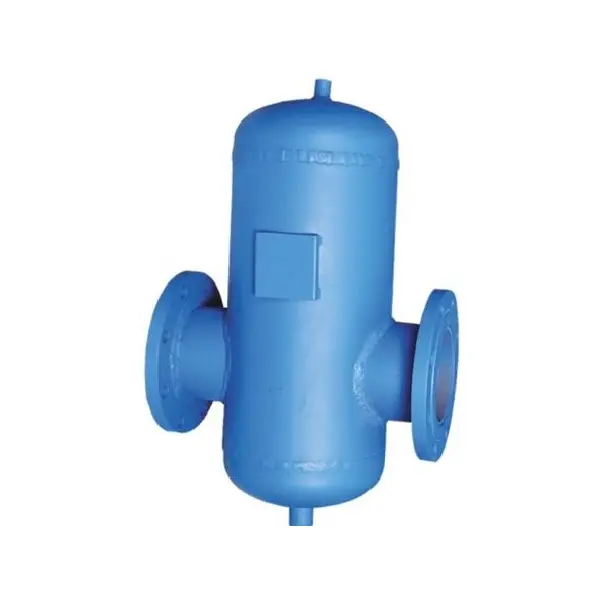
In any industrial or plumbing system, maintaining the purity and efficiency of fluid flow is paramount. One essential device that ensures this is the Pipe Strainers. These components are designed to remove unwanted solids from liquids, protecting downstream equipment from damage and maintaining system integrity. Whether you are in water treatment, chemical processing, oil and gas, or general plumbing, understanding pipe strainers is key to optimizing your operations.
Pipe strainers work by trapping debris such as rust, scale, dirt, and other particulates through a straining element, typically a mesh or perforated screen. They are installed in pipelines to safeguard pumps, valves, meters, and other sensitive equipment. By preventing clogs and reducing wear, they contribute to longer system life and lower maintenance costs. In this comprehensive guide, we will delve into the types, parameters, and applications of pipe strainers, providing you with the knowledge to select the right one for your needs.
Types of Pipe Strainers
Pipe strainers come in various designs, each suited for specific applications and flow requirements. The most common types include:
- Y-Type Strainers: Named for their shape, these are ideal for applications where space is limited. They are typically used in liquid, gas, or steam lines and can handle high-pressure conditions.
- Basket Strainers: These feature a cylindrical basket that offers a larger straining area, making them suitable for high-flow systems with significant debris loads. They are often used in water intake lines or chemical processes.
- Temporary Strainers: Designed for short-term use during system startup or maintenance, these are inserted into the pipeline to catch large debris before permanent equipment is installed.
- Duplex Strainers: These consist of two baskets and a diverting valve, allowing continuous operation by switching between baskets for cleaning without shutting down the system.
Key Parameters and Specifications
To ensure optimal performance, it is crucial to consider various parameters when selecting a pipe strainer. Below is a detailed list of key specifications:
- Material of Construction: Common materials include cast iron, carbon steel, stainless steel, bronze, and PVC, chosen based on fluid compatibility and environmental conditions.
- Strainer Size: Refers to the nominal pipe size (NPS) the strainer is designed for, ranging from ½ inch to over 24 inches.
- Mesh Size: The size of the openings in the straining element, measured in microns or mesh number, determines the particle size that can be filtered.
- Pressure Rating: The maximum pressure the strainer can withstand, often specified in psi or bar, to match system requirements.
- Temperature Range: The operational temperature limits, critical for applications involving hot fluids or steam.
- Connection Type: Options include flanged, threaded, or welded ends to suit pipeline configurations.
- Flow Rate: The maximum flow capacity, typically expressed in gallons per minute (GPM) or cubic meters per hour (m³/h).
For a quick comparison, here is a table summarizing typical specifications for common pipe strainer types:
| Type | Material | Size Range (NPS) | Mesh Size (Microns) | Pressure Rating (psi) | Temperature Max (°F) | Flow Rate (GPM) |
|---|---|---|---|---|---|---|
| Y-Type | Stainless Steel | ½" - 12" | 100 - 3000 | 150 - 2500 | 500 | 10 - 2000 |
| Basket | Carbon Steel | 2" - 24" | 50 - 2000 | 150 - 600 | 400 | 100 - 5000 |
| Duplex | Bronze | 3" - 16" | 100 - 1500 | 150 - 300 | 300 | 200 - 4000 |
| Temporary | PVC | 1" - 8" | 500 - 5000 | 100 - 150 | 140 | 5 - 500 |
Applications of Pipe Strainers
Pipe strainers are versatile and used across numerous industries. Some common applications include:
- Water Treatment Plants: To remove sediments and debris from raw water before processing.
- Chemical Processing: Protecting pumps and reactors from corrosive particles.
- Oil and Gas Industry: Filtering out contaminants in pipelines to prevent equipment failure.
- HVAC Systems: Ensuring clean water flow in cooling towers and chillers.
- Food and Beverage: Maintaining hygiene by filtering particulates in production lines.
- Pharmaceuticals: Safeguarding sensitive equipment in sterile environments.
Frequently Asked Questions (FAQ) About Pipe Strainers
What is the primary function of a pipe strainer?
The primary function of a pipe strainer is to remove solid particles such as dirt, rust, and debris from flowing liquids in a pipeline. This protects downstream equipment like pumps, valves, and meters from damage, clogging, or wear, thereby improving system efficiency and longevity.
How often should I clean my pipe strainer?
The cleaning frequency depends on the debris load in your system. For high-particulate environments, it may require daily cleaning, while in cleaner systems, monthly inspections might suffice. Regular monitoring of pressure drop across the strainer can indicate when cleaning is needed to maintain optimal flow.
Can pipe strainers be used for gas or steam applications?
Yes, pipe strainers are commonly used in gas and steam pipelines. Y-type strainers, in particular, are well-suited for these applications due to their compact design and ability to handle high pressures and temperatures. It is essential to select materials compatible with the fluid, such as stainless steel for corrosive gases.
What is the difference between a strainer and a filter?
Strainers typically remove larger particles (e.g., above 50 microns) and are used for coarse filtration, whereas filters handle finer particles and are for precision separation. Strainers are often reusable with cleaning, while filters may require replacement. In many systems, strainers serve as a pre-filter to protect finer filters downstream.
How do I choose the right mesh size for my application?
Select the mesh size based on the size of particles you need to remove and the requirements of downstream equipment. For instance, if protecting a pump from debris larger than 100 microns, choose a strainer with a 100-micron mesh. Consider the flow rate and pressure drop, as finer meshes can increase resistance and require more frequent maintenance.
Are there self-cleaning pipe strainers available?
Yes, self-cleaning or automatic strainers are available that use mechanisms like backwashing or scraping to remove debris without manual intervention. These are ideal for continuous processes where downtime is costly. They often feature sensors to initiate cleaning based on differential pressure.
What maintenance is required for pipe strainers?
Maintenance typically involves periodic inspection, cleaning of the straining element, and checking for wear or corrosion. For basket strainers, this may require shutting down the system, while duplex strainers allow cleaning during operation. Always follow manufacturer guidelines and use proper safety procedures during maintenance.
Can I install a pipe strainer in any orientation?
Installation orientation depends on the strainer type. Y-type strainers should be installed with the screen leg pointing downward to collect debris effectively. Basket strainers are usually mounted horizontally to allow easy access for cleaning. Always refer to the installation manual to ensure proper positioning for your specific model.
What are the signs that a pipe strainer needs replacement?
Signs include persistent clogging despite cleaning, visible damage or corrosion on the strainer body, increased pressure drop that does not resolve after maintenance, or leaks around connections. Regular inspections can help identify these issues early to prevent system failures.
Are custom pipe strainers available for unique applications?
Yes, many manufacturers offer custom pipe strainers tailored to specific requirements, such as unusual sizes, special materials for corrosive fluids, or unique pressure ratings. Provide detailed specifications to the supplier to ensure the strainer meets your system's demands.

- View as

APl Flange End Basket Strainer
As a professional high quality Taian APl Flange End Basket Strainer manufacturer,we will offer you the best after-sale service.The Basket Strainer is a coarse filtration device with a large flow area and low pressure drop, which is used to mechanically remove solid impurities from fluids in pipelines and protect downstream equipment such as pumps, valves, and heat exchangers. It complies with international standards such as API, ASME, and ANSI. The flange end connection is convenient for online disassembly, assembly, and cleaning.

APl Cast Steel Y Strainer
Taian is APl Cast Steel Y Strainer professional manufacturer,we will offer you the best after-sale service and timely delivery.This Cast steel Y-Strainer is a Y-type filter specially designed for industrial high-pressure working conditions. The main material is Cast Steel and complies with API specifications. It is widely used to filter solid particles in media such as water, oil and steam to protect downstream equipment.
As a reliable Pipe Strainers manufacturer and supplier in China, we have custom options and volume discount pricing. Please just send us a quotation!