Water Control Valve
What is a Water Control Valve?
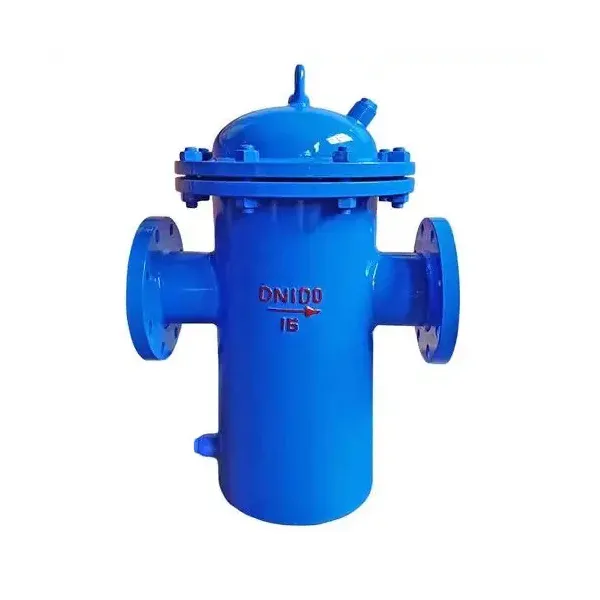
A Water Control Valve is an essential component in various plumbing and irrigation systems, designed to regulate, direct, or control the flow of water. These valves are critical for maintaining optimal pressure, preventing backflow, and ensuring efficient water distribution in residential, commercial, and industrial applications. They come in multiple types, each tailored for specific functions and environments, making them indispensable for modern water management systems.
Key Features of Our Water Control Valve
Our water control valves are engineered with precision to deliver reliability, durability, and superior performance. Below are the standout features:
- Corrosion-Resistant Materials: Constructed from high-grade brass, stainless steel, or PVC to withstand harsh water conditions and extend lifespan.
- Precision Flow Control: Allows for accurate adjustment of water flow rates, minimizing waste and optimizing system efficiency.
- Easy Installation and Maintenance: Designed with user-friendly interfaces, reducing downtime and labor costs.
- High-Pressure Tolerance: Capable of operating under extreme pressure conditions without compromising performance.
- Leak-Proof Seals: Incorporates advanced sealing technology to prevent leaks and ensure a tight shut-off.
- Versatility: Compatible with a wide range of systems, including irrigation, HVAC, and industrial pipelines.
Detailed Product Parameters
To help you make an informed decision, we have compiled detailed specifications for our water control valves. The parameters are presented in the table below for clarity and ease of reference.
| Parameter | Specification | Description |
|---|---|---|
| Material | Brass, Stainless Steel, PVC | Selected for durability and resistance to corrosion and scaling. |
| Size Range | 1/2 inch to 4 inches | Available in various sizes to fit different pipe diameters and flow requirements. |
| Pressure Rating | Up to 600 PSI | Designed to handle high-pressure environments without failure. |
| Temperature Range | -20°F to 180°F | Suitable for both cold and hot water applications. |
| Connection Type | Threaded, Flanged, Soldered | Multiple connection options for easy integration into existing systems. |
| Flow Coefficient (Cv) | 5 to 50 | Indicates the valve's flow capacity; higher Cv values allow more flow. |
| Actuation Type | Manual, Electric, Pneumatic | Offers flexibility in operation, from simple hand-operated to automated controls. |
| Certifications | NSF/ANSI 61, UL Listed | Ensures compliance with health and safety standards for potable water. |
Types of Water Control Valves
Understanding the different types of water control valves is crucial for selecting the right one for your needs. Below is a list of common valve types along with their primary applications:
- Ball Valve: Ideal for on/off control with minimal pressure drop. Commonly used in residential plumbing.
- Gate Valve: Best for isolation purposes, providing a straight-through flow when fully open.
- Globe Valve: Excellent for throttling flow and regulating pressure in pipelines.
- Check Valve: Prevents backflow, ensuring water flows in one direction only.
- Pressure Reducing Valve: Maintains consistent downstream pressure, protecting appliances and fixtures.
- Solenoid Valve: Electrically operated, used in automation systems for precise control.
Installation Guidelines
Proper installation is key to maximizing the performance and lifespan of your water control valve. Follow these general steps:
- Shut Off Water Supply: Always turn off the main water supply before beginning installation to prevent accidents.
- Inspect the Valve and Pipes: Check for any damage or debris that could affect performance.
- Apply Sealant: Use thread seal tape or pipe dope on threaded connections to ensure a leak-free fit.
- Position Correctly: Install the valve in the correct orientation (e.g., check valves must be installed with flow direction in mind).
- Tighten Securely: Use appropriate tools to tighten connections, but avoid over-tightening to prevent damage.
- Test for Leaks: Slowly turn on the water supply and check for any leaks. Make adjustments if necessary.
Maintenance Tips
Regular maintenance ensures long-term reliability. Here are some best practices:
- Periodically inspect valves for signs of wear, corrosion, or leakage.
- Lubricate moving parts if recommended by the manufacturer.
- Flush the system to remove sediment that could clog the valve.
- Replace seals or components as needed, using only compatible parts.
- Keep operational records to track performance and schedule timely servicing.
Frequently Asked Questions (FAQ)
Q: What is the primary function of a water control valve?
A: The primary function is to regulate the flow, pressure, or direction of water in a piping system. This ensures efficient operation, prevents damage from overpressure, and avoids backflow contamination.
Q: How do I choose the right water control valve for my application?
A: Consider factors such as the type of fluid (e.g., potable water, chemicals), pressure and temperature requirements, flow rate, and the specific function (e.g., isolation, regulation). Consulting the product parameters and, if necessary, a professional can help in selecting the appropriate valve.
Q: Can water control valves be used for both hot and cold water?
A: Yes, many valves are designed to handle a wide temperature range. Check the manufacturer's specifications for the exact temperature limits, as materials like brass and stainless steel typically perform well in both hot and cold environments.
Q: What causes a water control valve to leak, and how can it be fixed?
A: Leaks can result from worn seals, improper installation, debris, or corrosion. To fix it, first shut off the water supply. Then, inspect and clean the valve, replace damaged seals, or tighten connections. If the issue persists, the valve may need replacement.
Q: Are there automated options for water control valves?
A: Absolutely. Solenoid valves and motorized ball valves offer automated control, allowing integration with timers, sensors, or smart home systems for remote operation and enhanced efficiency.
Q: How often should water control valves be maintained?
A: It depends on usage and environmental conditions. For most residential applications, an annual inspection is sufficient. In high-use or industrial settings, quarterly checks may be necessary. Always follow the manufacturer's maintenance recommendations.
Q: What certifications should I look for in a water control valve?
A: Look for certifications like NSF/ANSI 61 for potable water safety, UL listing for electrical components, and ISO standards for quality assurance. These ensure the valve meets industry standards for performance and safety.
Q: Can I install a water control valve myself, or should I hire a professional?
A: Simple installations, such as replacing a valve in an accessible location, can be DIY if you have basic plumbing skills. For complex systems, high-pressure applications, or if you're unsure, it's best to hire a licensed plumber to ensure safety and compliance with local codes.

- View as

800X Pressure Differential Valve
You can rest assured to buy Taian 800X Pressure Differential Valve from our factory.This Differential Valve is used between the supply and return water of the air conditioning system. 800X Pressure Differential Valve purpose is to balance the pressure difference, improve the system's utilization efficiency, keep the pressure difference at an accurate constant value, minimize system noise and damage to equipment caused by excessive pressure difference.

200X Pressure Reducing Valve
Taian is 200X Pressure Reducing Valve professional manufacturer,we will offer you the best after-sale service and timely delivery.The 200X pressure reducing valve is a self-operated hydraulic control valve that regulates and controls pipeline pressure by utilizing the energy of the medium itself. It is widely used in domestic water supply, fire protection water supply and other industrial water supply systems. By adjusting the pressure-reducing pilot valve, the outlet pressure of the main valve can be regulated.

600X Solenoid Control Valve
As a professional high quality Taian 600X Solenoid Control Valve manufacturer,we will offer you the best after-sale service.This solenoid control valve is a hydraulic electric control valve. It controls the opening and closing of the solenoid valve through electrical signals, thereby controlling the opening or closing of the main valve. XXXX combines the advantages of hydraulic control and electromagnetic control, enabling remote control and automated operation.

100X Remote Float Control Valve
Taian is a manufacturer and supplier specializing in supplying 100X Remote Float Control Valve.The 100X control float valve is a hydraulic control valve. It controls the opening and closing of the main valve by the lifting and lowering of the float ball, thereby achieving automatic control of the liquid level. 100X Remote Float Control Valve is widely used in liquid level control of water towers, water pools, water tanks and other facilities, featuring simple operation, easy maintenance and reliable sealing.

300X Slow Control Check Valve
As a professional high quality Taian 300X Slow Control Check Valve manufacturer,we will offer you the best after-sale service.

Altitude Valve
Taian is a manufacturer and supplier specializing in supplying Altitude Valve.Altitude control valves are automatic control valves used for controlling water levels in tanks and elevated storage reservoirs. They are equipped with separate adjustable opening and closing speed controls. Variations include one-way flow with delayed opening, one-way flow with pressure sustaining, and two-way flow designs.
As a reliable Water Control Valve manufacturer and supplier in China, we have custom options and volume discount pricing. Please just send us a quotation!