Can standard factory acceptance‑test protocols fully expose long‑term field hazards for trunnion ball‑valve projects?
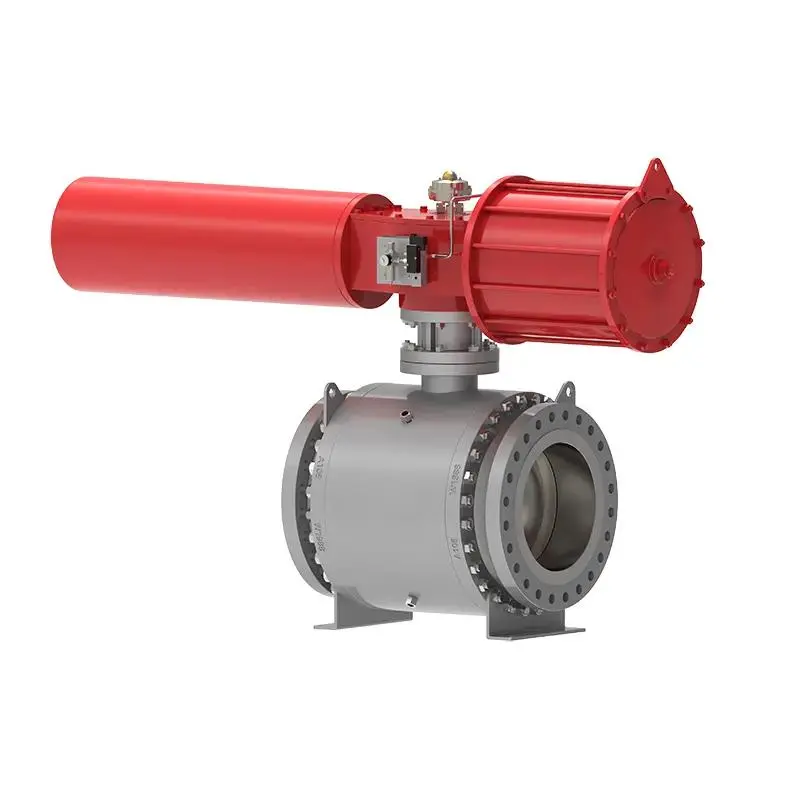
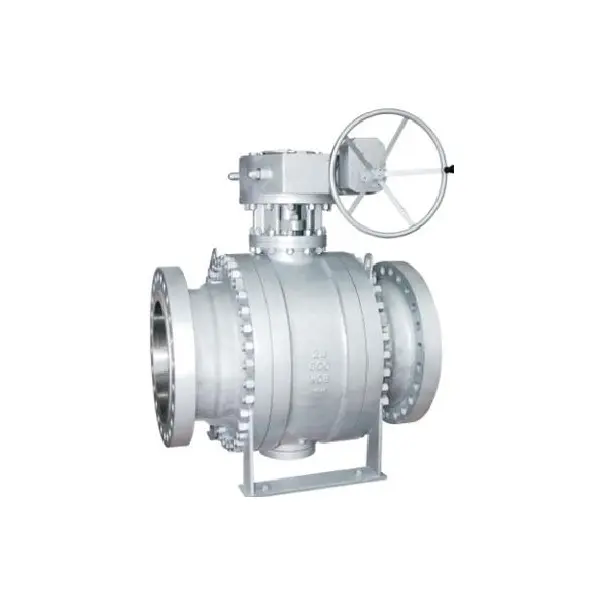
Taian Valve structures Cast Steel Trunnion Mounted Ball Valve qualification workflows around cyclic thermal‑mechanical validation, dedicated cavity‑relief functional auditing and project‑specific traceable NDT archives, unearthing these FAT‑concealed hazards well before valves ship out for energy‑sector capital‑projects.
1. Cyclic thermal‑transient validation uncovers trunnion‑bearing clearance‑drift risks
Standard FAT executes all assessments under stable ambient room‑temperature conditions. Actual oil‑gas pipelines go through recurring heating‑cooling shifts triggered by process‑fluid variation and regional climate swings. Differential thermal‑expansion across cast‑steel valve‑body, ball core and trunnion‑bearing assemblies reshapes internal running‑clearance. Without intentional thermal‑offset allowance built into original machining tolerances, bearing clearance drifts in two dangerous directions: excessive clearance produces ball‑core lateral wobble; insufficient clearance brings mechanical binding and sharp rise in operating‑torque. Neither wobble nor binding will manifest during static‑temperature factory‑acceptance‑test. Taian Valve performs cyclic thermal‑transient lab simulation covering project‑defined operating‑temperature bandwidth. Bearing‑assembly dimensional offset gets validated under temperature‑swing conditions, mitigating field‑torque‑drift and ball‑core positional‑deviation for long‑term pipeline‑service valves.
2. Independent cavity‑relief functional auditing prevents over‑pressure entrapment inside valve‑body chamber
Many trunnion‑mounted ball‑valve FAT checklists only verify shell strength and seat tightness. They rarely run complete cycle validation targeting cavity‑pressure‑relief performance. Liquid trapped inside valve intermediate‑cavity will thermally expand as pipeline temperature rises. Without properly calibrated self‑relieving seat geometry, internal cavity‑pressure climbs far above design rating. This builds unseen stress upon cast‑steel body and sealing‑components, gradually weakening seat pre‑load spring force and accelerating seat‑assembly fatigue. Even valves passing shell‑hydrotest can develop slow‑onset internal‑leakage years after commissioning. Taian Valve carries out dedicated cavity‑over‑pressure relief functional audits for each project batch, verifying relief‑trigger threshold matches API 6D requirements, eliminating latent cavity‑entrapment hazards for liquid‑filled standby pipeline valves.
3. Post‑assembly NDT spot‑check catches casting‑to‑machining residual‑stress defect pathways
Quite a few suppliers restrict NDT inspection purely to raw‑casting stage. Subsequent heavy‑duty machining, boring and trunnion‑seat cutting operations can re‑activate subsurface micro‑defects which remained dormant on un‑machined cast blanks. These reopened micro‑flaws sit beneath sealing surfaces or trunnion‑transition fillets; visual inspection and routine hydro‑test cannot detect them. Subjected to pipeline pressure‑cycling, micro‑cracks keep propagating slowly. Taian Valve introduces selective post‑machining NDT sampling focused on high‑stress trunnion‑fillet and seat‑pocket zones. This catches stress‑reactivated subsurface discontinuities missed by raw‑casting‑only NDT, lifting reliability for safety‑critical cast‑steel trunnion ball‑valve assemblies.
4. Actuator‑interface torque‑margin mapping avoids real‑world operating‑torque under‑specification
Factory‑measured break‑away torque data gets captured under clean, dry, un‑pressurized bench‑state. In‑service torque rises notably once valve bears full pipeline differential‑pressure, seat‑spring ageing and minor internal‑surface fouling. If EPC teams size actuator purely relying upon clean‑bench FAT torque figures, selected actuator output‑margin proves insufficient under real‑field conditions. Actuator jamming or incomplete valve‑stroke occurs during emergency valve‑operation scenarios. Taian Valve records torque‑versus‑differential‑pressure characteristic curves instead of single‑point static‑torque reading. These datasets support EPC actuator‑sizing calculation with realistic safety‑margin, preventing under‑specified actuation‑system risk for emergency‑isolation pipeline‑valve applications.
5. Sour‑service compatible trim‑material lot‑traceability blocks mixed‑batch component mis‑assembly
For NACE MR0175 sour‑gas pipeline assignments, even one non‑compliant trim‑part mixed into assembly creates localized sulphide‑stress‑cracking hazard. Generic FAT does not verify each individual trim‑component heat‑number matching project‑specified material grade. Component mix‑up can slip‑through if QA workflow only audits finished‑valve performance rather than every disassembled trim‑part traceability. Taian Valve enforces part‑level heat‑number cross‑check for ball, trunnion, seat‑backing and spring components on sour‑service orders. Every trim‑piece retains traceable MTC record, stopping accidental non‑compliant‑trim mis‑assembly for hydrogen‑sulphide‑containing process‑media projects.
6. Project‑bundled full‑chain test‑dossiers satisfy third‑party‑witnessed site‑acceptance requirements
Global oil‑gas EPC site‑acceptance audits demand aggregated documentation: raw‑casting NDT reports, post‑machining spot‑check records, cavity‑relief test logs and torque‑versus‑pressure characteristic datasets. Isolated standalone FAT‑certificates cannot fulfil complete project‑dossier submission demands. Without integrated English‑language batch‑specific archives, valves get held‑up at site‑acceptance phase and delay overall pipeline‑project milestones. Taian Valve compiles consolidated project‑referenced documentation packages covering all above‑mentioned test‑results. Complete dossiers are ready for third‑party witness review, removing documentation‑gap‑driven project‑hold‑up risks for cross‑border energy‑capital‑project delivery.
Related News
- What Standardized API Cast Steel Y Strainer Configurations Reduce Plant Pipeline Downtime Losses?
- Why Is the 3 Way Flanged Ball Valve Essential for Modern Industrial Flow Control?
- Why Do Pipe Strainers Matter in Industrial Pipeline Systems?
- Hadian Valve's Ultra-Supercritical Bypass Valves Successfully Pass Assessment
- Huashijie Suzhou Smart Manufacturing Base Launches
- How Do Smart Steam Traps Transform Industrial Energy Efficiency?
Leave me a message