What Makes Valves the Key to Efficient Fluid Control Systems?
Table of Contents
-
Why Valves Matter in Fluid Control
-
How They Work and Where They Excel
-
What Makes Them a Versatile Choice
-
Technical Specifications and Performance Comparison
-
Common Questions About Valves (FAQ)
-
Future Trends and Why Taian Is Your Trusted Partner in Valve Solutions
-
Contact Us
Why Valves Matter in Fluid Control
In every industrial system—whether oil and gas, water treatment, power generation, or chemical processing—the valve serves as the heart of flow regulation. But why are valves so essential to system performance and safety? Simply put, valves control, direct, and modulate the movement of gases, liquids, or slurries through pipelines. The right valve ensures efficiency, reduces maintenance downtime, and enhances the overall lifespan of the system.

How They Work and Where They Excel
How Does a Ball Valve Operate?
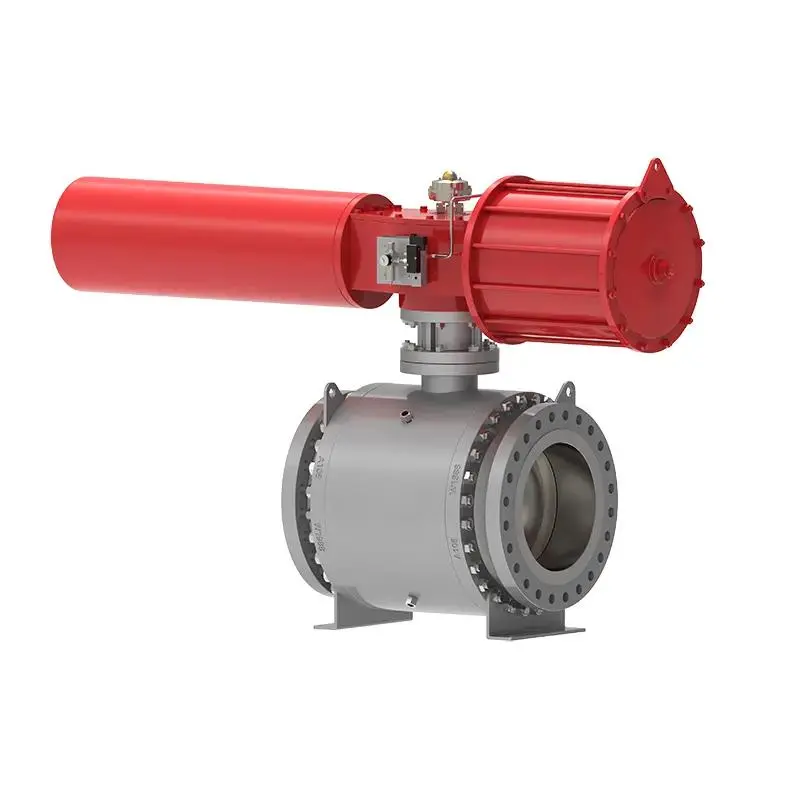
A Ball Valve uses a spherical closure element (the “ball”) to control the flow of fluid. When the valve handle turns 90 degrees, the ball’s bore aligns or blocks the flow path, allowing for instant shutoff or full flow. Its simple yet robust design makes it one of the most reliable valve types in industrial systems.

Why Choose a Ball Valve?
Ball valves are preferred for their tight sealing, quick operation, and minimal pressure drop. They are ideal for on/off control applications and work effectively under high-pressure and high-temperature conditions.
Ball Valves are commonly found in:
-
Oil and gas pipelines
-
Chemical processing units
-
HVAC systems
-
Water and wastewater treatment
-
Food and pharmaceutical industries
What Makes a Ball Valve Durable?
The key lies in its material composition and precision-engineered components. Most industrial ball valves are made from stainless steel, carbon steel, or brass, depending on the application and fluid type. Advanced sealing materials such as PTFE (Teflon) and reinforced polymers ensure zero leakage and extended service life.
Ball Valve Technical Specifications
| Specification | Description |
|---|---|
| Valve Type | Full Port / Reduced Port Ball Valve |
| Body Material | Stainless Steel (SS304, SS316), Carbon Steel, Brass |
| Seat Material | PTFE / RPTFE / Nylon |
| Size Range | ½” to 12” (DN15–DN300) |
| Pressure Rating | Up to 1000 PSI (Class 150–600) |
| Temperature Range | -20°C to +220°C |
| Connection Type | Threaded, Flanged, or Welded Ends |
| Operation | Manual, Electric, or Pneumatic Actuation |
| Applications | Oil & Gas, Water Treatment, Chemical Plants, HVAC, Marine |
How Ball Valves Improve Efficiency
The internal design of ball valves minimizes turbulence and flow resistance, leading to better energy efficiency. Moreover, because they require minimal torque to operate, they can be easily automated, reducing human intervention and ensuring precision control.
What Makes Them a Versatile Choice
How Does a Butterfly Valve Function?
A Butterfly Valve regulates flow through a rotating disc positioned at a right angle to the direction of flow. When the handle or actuator turns the disc, the passage either opens or closes, allowing variable control over flow rates.

Why Are Butterfly Valves Popular?
Butterfly valves are renowned for their lightweight design, compact structure, and cost efficiency. Unlike ball valves, which offer mainly on/off control, butterfly valves can also perform throttling functions, making them ideal for applications where flow regulation is critical.
They are widely used in:
-
Water distribution and treatment plants
-
Fire protection systems
-
Power plants
-
HVAC and ventilation systems
-
Marine and shipbuilding sectors
What Makes a Butterfly Valve Efficient?
The streamlined disc and seat design minimize flow resistance and provide smooth operation even under variable pressure. Their ability to handle large-diameter pipelines without adding significant weight or cost makes them one of the most economical valve options available.
Butterfly Valve Technical Specifications
| Specification | Description |
|---|---|
| Valve Type | Wafer / Lug / Flanged Butterfly Valve |
| Body Material | Cast Iron, Ductile Iron, Stainless Steel, Carbon Steel |
| Disc Material | Stainless Steel, Aluminum Bronze, Ductile Iron |
| Seat Material | EPDM, NBR, PTFE, VITON |
| Size Range | 2” to 48” (DN50–DN1200) |
| Pressure Rating | PN10 / PN16 / Class 150 |
| Temperature Range | -10°C to +200°C |
| Operation | Manual, Gear Operated, Electric, or Pneumatic |
| Applications | Water Supply, HVAC, Fire Protection, Chemical Industries |
How Butterfly Valves Reduce Operational Costs
Due to their lightweight construction and simple maintenance requirements, butterfly valves lower installation and service costs significantly. They require less space, fewer supporting structures, and minimal torque for actuation—making them a preferred solution for large-scale systems.
Ball Valve vs. Butterfly Valve
| Feature | Ball Valve | Butterfly Valve |
|---|---|---|
| Design | Spherical Ball Closure | Rotating Disc Closure |
| Function | On/Off | On/Off + Throttling |
| Pressure Handling | Excellent for High Pressure | Moderate Pressure |
| Flow Control | Full Bore for Minimal Loss | Adjustable Throttling |
| Maintenance | Minimal, Long Lifespan | Easy Access, Quick Repair |
| Space Requirement | Larger Body | Compact & Lightweight |
| Cost | Higher | More Economical |
| Automation | Electric/Pneumatic Options | Electric/Pneumatic Options |
| Applications | Oil, Gas, Chemical | Water, HVAC, Fire Safety |
This comparison highlights that Ball Valves are preferred for high-pressure, precision applications, while Butterfly Valves are optimal for larger pipelines and flow regulation tasks.
Common Questions About Valves (FAQ)
Q1: How do I choose between a Ball Valve and a Butterfly Valve?
A: If your application requires high pressure and zero leakage, a ball valve is ideal. For large pipelines or systems needing throttling and lighter weight, a butterfly valve is more suitable.
Q2: What materials are best for corrosive environments?
A: Stainless steel and PTFE-seated valves perform best in corrosive or chemical applications, ensuring longevity and resistance to degradation.
Q3: Can valves be automated for remote control?
A: Yes. Both ball and butterfly valves can be fitted with electric or pneumatic actuators, enabling remote operation and integration into automated control systems.
Future Trends and Why Taian Is Your Trusted Partner in Valve Solutions
As industries shift toward energy efficiency, smart control systems, and sustainability, the future of valve technology lies in automation and advanced material engineering. Intelligent valve systems that integrate sensors for real-time monitoring and predictive maintenance are becoming the new standard in modern infrastructure.
Taian has positioned itself at the forefront of this transformation. With decades of manufacturing expertise, precise engineering, and strict quality control, Taian delivers valves that not only meet but exceed global standards. Our commitment to innovation ensures that each valve offers optimal performance, reduced downtime, and cost efficiency.
From Ball Valves engineered for durability to Butterfly Valves designed for versatility, Taian provides reliable solutions for every industrial need. Each product undergoes rigorous testing for pressure, temperature, and sealing performance, guaranteeing dependability in even the harshest environments.
Contact Us
For more details on Taian’s full range of industrial valves, or to request a technical consultation for your specific project, please reach out to our professional team.Let Taian be your trusted partner in precision flow control solutions — where quality, reliability, and innovation meet.
Related News
- Can standard factory acceptance‑test protocols fully expose long‑term field hazards for trunnion ball‑valve projects?
- What Standardized API Cast Steel Y Strainer Configurations Reduce Plant Pipeline Downtime Losses?
- Why Is the 3 Way Flanged Ball Valve Essential for Modern Industrial Flow Control?
- Why Do Pipe Strainers Matter in Industrial Pipeline Systems?
- Hadian Valve's Ultra-Supercritical Bypass Valves Successfully Pass Assessment
- Huashijie Suzhou Smart Manufacturing Base Launches
Leave me a message