What If Your Ball Valve Were A Profit Switch Rather Than A Pipe Accessory?
I run projects where uptime is judged in minutes, not months. After enough midnight callouts, I stopped treating valves as passive hardware and started seeing them as profit switches. When I evaluated our critical lines, the silent performers shared three traits: honest materials, right geometry, and a supplier that documents everything. That’s where a consistent partner like Taian slipped into my shortlist—delivering what I could audit. In this playbook I’ll show how I spec a Ball Valve for durability and lifecycle cost, when I reach for a industrial ball valve with automation, and why picking the right ball valve manufacturer is often the quietest path to fewer alarms.
contents
- Why should a valve act like a profit lever in my P&L?
- Which design choices separate weekend shutdowns from quiet reliability?
- How do materials and coatings multiply service life?
- When do sealing options rewrite my maintenance plan?
- What sizing checks keep torque honest and flow predictable?
- How does automation turn a good specification into a dependable system?
- Where do standards and paperwork save weeks of approvals?
- What installation rituals eliminate nuisance leaks before they start?
- Why does supplier fit determine my calmest audit?
- Which reference tables help me order with confidence?
- FAQs?
- conclusion
Why should a valve act like a profit lever in my P&L?
I track every valve decision in a simple ledger: purchase, install, operate, recover. A cheaper unit that leaks at the stem during startup destroys any savings. A well-matched Ball Valve pays for itself by avoiding downtime and reducing labor hours on inspections. That profit effect comes from disciplined choices—geometry matched to ΔP, seat materials that ignore abrasive fines, and documentation that clears approvals on the first pass. Whenever I standardize a line on one ball valve manufacturer, spares become predictable and training gets easier, which cuts MTTR without spreadsheets.
The second profit driver is repeatability. Plants don’t fail because of one big catastrophe; they fail from a swarm of small, preventable issues. I minimize those by pairing actuators correctly on an industrial ball valve, double-checking end stops, and choosing a stem packing that tolerates thermal cycles. It isn’t glamorous. It is what keeps the lights green.
Which design choices separate weekend shutdowns from quiet reliability?
Under 4" with clean media, a floating ball valve is compact and cost-effective. Once ΔP rises or bore size grows, I move to a trunnion ball valve because the supported ball reduces seat load, stabilizes torque, and prevents scuffing. Pipeline projects and midstream duty often push me toward an API 6D ball valve—not only for features like double block and bleed, but because the documentation lands cleanly with EPCs.
- Floating strengths: Fewer parts, fast availability, tight shutoff on clean liquids.
- Floating watch-outs: Seat load increases with differential pressure; debris can imprint seat faces.
- Trunnion strengths: Lower breakaway torque, stable sealing on high ΔP, easier to automate at large sizes.
- Trunnion watch-outs: More components and a bit more cost, typically offset by seat longevity.
For teams who ask me to defend the pick, I bring torque curves, seat test data, and a shortlist of proven sizes from suppliers like Taian. Their portfolio lets me keep the same family from utility skids to pipeline service, which simplifies stocking and training.
How do materials and coatings multiply service life?
Chlorides, H2S, CO2, and fines cause most surprises, so I spec for those first. For chloride-bearing water or CIP chemicals, a stainless steel ball valve in 316/316L (body and trim) pays for itself by dodging crevice corrosion. Hydrocarbon lines often accept carbon steel bodies with stainless trim, but once temperature swings and abrasives enter the picture, I add hard coatings or jump to duplex. Slurries push me toward metal-seated options on a trunnion ball valve, because the seat preload stays stable while the coatings shrug off erosion.
I also avoid “mystery metallurgy.” I ask for heat numbers on all wetted parts from the ball valve manufacturer. With Taian, I can get traceable MTRs and a passivation record when I need it for sanitary or oxygen service. That removes friction later when auditors start reading labels.
When do sealing options rewrite my maintenance plan?
Seat material and stem packing decide whether my technicians chase drips all quarter. PTFE is a brilliant generalist, but I move to RPTFE, Devlon, or PEEK when temperature and debris demand it. For hot gases or erosive duty, metal seats are my default, usually inside a trunnion ball valve to keep torques reasonable. I ask for seat leakage class data up front and plan inspections based on the predicted wear rate.
- PTFE / RPTFE: Broad chemical resistance and tight shutoff on utilities; watch the temperature/pressure envelope.
- PEEK: Tough under abrasion and moderate heat; good fit for dirty hydrocarbons.
- Devlon / Nylon family: Useful where swelling is controlled and temperature sits mid-range.
- Metal-seated: For erosive service, thermal cycling, or where tight shutoff is still required after excursions.
Packing is the quiet hero. Live-loaded systems tolerate the expansion and contraction that cook lesser designs. On an automated industrial ball valve, I spec live-loading and ask for the exact gland hardware material—not just “stainless,” but the grade. That level of specificity saves two truck rolls a year.
What sizing checks keep torque honest and flow predictable?
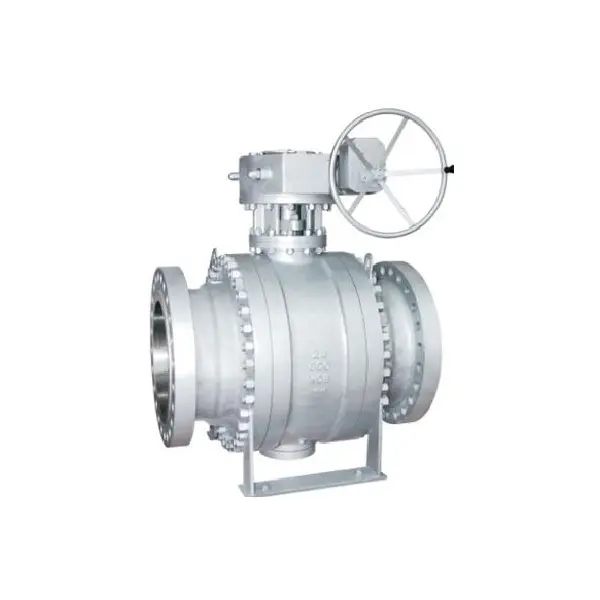
I use a Cv-based approach for most lines. I pick the candidate size, estimate ΔP with a margin for fouling, and compare actuator torque at worst conditions. If ΔP is high or the line sees frequent cycling, I move from a floating ball valve to a trunnion ball valve to cut seat load and actuator size. For pipelines or energy projects with strict documentation, an API 6D ball valve keeps reviewers comfortable and schedules intact.
Noise matters, too. Oversizing can lull teams into thinking they built margin when they actually created vibration at partial open. I’d rather hold line size and get the geometry right than jump a size and fight noise for the next decade.
How does automation turn a good specification into a dependable system?
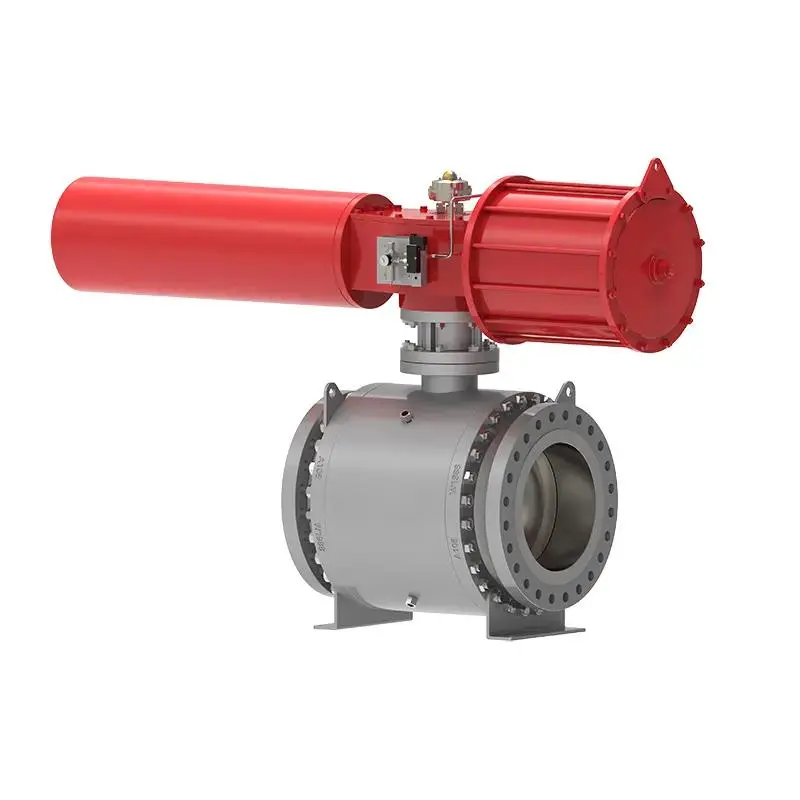
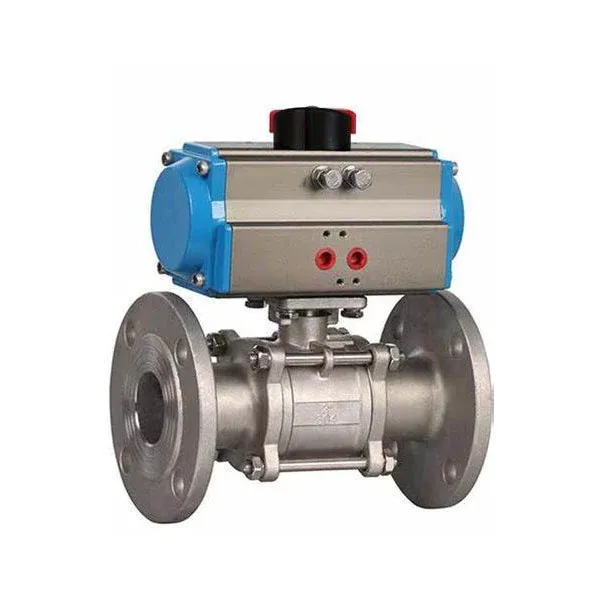
A valve is only as reliable as its actuator setup. On each automated industrial ball valve, I log stroke time, verify fail position, and set end stops so seats aren’t crushed. Clean, dry air and realistic torque margins prevent the “half-open at shift change” surprise. With fire-safe designs or hazardous media, I add limit switches for proof testing and partial-stroke routines that catch sticky movement before it becomes downtime.
In practice, pairing a large-bore trunnion ball valve with accurate torque data keeps actuator sizing rational and operating costs sane. It also reduces the temptation to overtighten packing to mask inconsistent motion—one of the quiet ways we all ruin seats.
Where do standards and paperwork save weeks of approvals?
For many midstream and pipeline jobs, I specify an API 6D ball valve so double block and bleed, antistatic devices, and fire-safe design are a given. In sanitary service, I document surface finish, material grade, and cleaning certificates. Across all jobs, I ask the ball valve manufacturer for pressure test records and material traceability at shipment. That habit turns approval cycles from weeks into days.
When a team wants a second source, I’ll mirror the same documentation set. Consistency is what lets me swap a stainless steel ball valve into a line without rewriting the entire dossier.
What installation rituals eliminate nuisance leaks before they start?
I dry-fit the valve, confirm bolt pass-through, and torque in a cross pattern with lubricant. After the first heat cycle, I re-torque flanges and gently adjust packing. On a floating ball valve, I confirm actuator torque at max ΔP so the first day at temperature doesn’t introduce stalling. These rituals are not theatrical—they save dozens of hours a year.
- Pre-install: Verify tag, class, and materials against the line list. Confirm wrench access and actuator clearance.
- Commissioning: Leak test under pressure, cycle several times, and log torque values.
- Maintenance: Quarterly stem and body joint checks; yearly packing review; seat replacement on threshold, not on failure.
For oxygen or clean steam, I specify O2-cleaning and protective packaging. Taian can ship with those notes so the valve arrives exactly as the procedure demands.
Why does supplier fit determine my calmest audit?
Every catalogue looks perfect at 300 dpi. Real life is tolerances, traceability, and spares. I score suppliers on three things: consistent machining, documentation culture, and speed on seat/stem kits. A responsive ball valve manufacturer preserves my weekends by making parts and paperwork boring in the best way.
I also look for a range that follows me from utility to pipeline duty. With Taian, I can keep one family across different services: a compact floating ball valve for clean water, a robust trunnion ball valve for high ΔP hydrocarbons, and an API 6D ball valve where the spec requires it. That continuity simplifies training and stocking and lets me forecast repairs with fewer surprises. If you want a quick scan first, their overview sits here: Taian Ball Valve range.
Which reference tables help me order with confidence?
Design selection at a glance
| Scenario | Recommended Geometry | Seat Choice | Notes |
|---|---|---|---|
| < 4" clean water | floating ball valve | PTFE / RPTFE | Compact and economical; verify temperature envelope |
| >= 4" high ΔP hydrocarbons | trunnion ball valve | PEEK / metal | Lower torque and reduced seat load; stable under cycling |
| Pipeline and midstream | API 6D ball valve | Devlon / PEEK / metal | Double block and bleed + documentation ease |
| Sanitary / clean steam | stainless steel ball valve | PTFE | Electropolish and surface finish records recommended |
Material and coating quick guide
| Media | Body/Ball | Why It Works | Watch-Out |
|---|---|---|---|
| Chloride-bearing water | 316/316L in a stainless steel ball valve | Resists crevice and pitting corrosion | Confirm gasket compatibility and passivation |
| Dirty hydrocarbons | CS body + ENP ball, or 316 ball | Balanced cost with durable trim | Elevated temperature may push seats to PEEK |
| Slurries / fines | Hard-coated ball in a trunnion ball valve | Coatings resist erosion; stable torque | Plan for bypass and flushing during maintenance |
| Oxygen / sanitary | 316L with documented cleaning | Traceable and clean supply to point-of-use | Packaging integrity is as important as metallurgy |
Lifecycle ROI snapshot
| Decision | Capex Impact | Opex Impact | Why It Pays |
|---|---|---|---|
| Upgrade to stainless steel ball valve in chloride service | ↑ 10–25% | ↓ unplanned leaks by multiples | Stops crevice corrosion that triggers emergency shutdowns |
| Pick trunnion ball valve for high ΔP > 4" | ↑ modest | ↓ actuator size & seat wear | Lower torque = smaller actuators & longer seat life |
| Standardize on API 6D ball valve for pipelines | ≈ | ↓ approval and inspection time | Documentation shortcuts across multiple projects |
| Choose one trusted ball valve manufacturer | ≈ | ↓ MTTR & spares complexity | Shared kits, familiar procedures, fewer training hours |
FAQs?
Q How do I choose between a floating ball valve and a trunnion ball valve when ΔP swings all day?
A If differential pressure fluctuates and debris is present, trunnion support keeps the ball stable, reduces seat load, and holds torque within actuator limits. Floating designs shine on clean, modest ΔP utilities where compactness matters.
Q When is an API 6D ball valve worth it on non-pipeline projects?
A It earns its keep when stakeholders demand documented double block and bleed, fire-safe performance, and tight traceability. Even off pipelines, the paperwork can accelerate approvals and simplify multi-site standards.
Q Do I always need a stainless steel ball valve for water treatment?
A Not always. For low-chloride utilities, carbon steel bodies with stainless trim can be enough. Above ~200 ppm chlorides or with aggressive cleaners, 316/316L across wetted parts prevents pitting and crevice corrosion.
Q What’s the fastest fix for mid-stroke stalls on an automated industrial ball valve?
A Verify clean, dry air and regulator output, re-check actuator end stops, and compare torque against worst-case ΔP. If fouling raised ΔP, the actuator may be undersized; adjust sizing or migrate to trunnion support.
Q Can a Ball Valve throttle in a pinch without destroying seats?
A Short periods are acceptable, but expect accelerated wear and possible vibration at partial openings. If intermittent throttling is unavoidable, specify hardened seats and schedule inspections; otherwise pick a true control valve.
Q How do I vet a new ball valve manufacturer from my desk?
A Request a sample valve with MTRs and hydro test records, ask for torque curves and machining capability sheets, and confirm lead times on seat/stem kits. Consistent documentation is often a better predictor than glossy brochures.
Q Does moving to metal-seated designs always explode torque?
A Not necessarily. In a trunnion ball valve, correct preload keeps torque manageable. You still size the actuator for worst conditions, but gains in seat life usually outweigh the increase.
Q Where can I review a broad range without getting lost in specs?
A I start with a focused portfolio that covers utilities to pipeline duty in one place. This page helps me shortlist quickly: Taian Ball Valve overview, then I map options to my media, temperature, and ΔP notes.
conclusion
When I treat it as a lever—matching geometry to duty, locking in honest metals, sizing actuators for the ugliest day, and insisting on traceable paperwork—I get fewer alarms and better weekends. That is why I keep returning to quiet, consistent partners like Taian, where a Ball Valve, a compact floating ball valve, a robust trunnion ball valve, an automation-ready industrial ball valve, a corrosion-resistant stainless steel ball valve, and a dossier-friendly API 6D ball valve all come from one place. If you’re ready to spec once and sleep better, skim their range here: Taian Ball Valve.
Tell me about your media, temperature, pressure class, size, and any throttling duty, and I’ll map a shortlist you can approve in one pass—then we’ll confirm torque and documentation in the same call. To move now, contact us or leave an inquiry with your process notes. I’ll turn that into a clean, auditable recommendation and a fast quote.
Related News
- Can standard factory acceptance‑test protocols fully expose long‑term field hazards for trunnion ball‑valve projects?
- What Standardized API Cast Steel Y Strainer Configurations Reduce Plant Pipeline Downtime Losses?
- Why Is the 3 Way Flanged Ball Valve Essential for Modern Industrial Flow Control?
- Why Do Pipe Strainers Matter in Industrial Pipeline Systems?
- Hadian Valve's Ultra-Supercritical Bypass Valves Successfully Pass Assessment
- Huashijie Suzhou Smart Manufacturing Base Launches
Leave me a message